The Mechanical side!
When Duncalf shared his goal to develop the Professor's ideal radial cam engine, his fellow engineers often posed two questions they said could not be overcome.
The first question: “What kind of cam profile will provide the best piston dynamic yet not cause the engine to destroy itself?”
The second question: “Given the tiny contact point of the cam followers, what would keep them from shattering under the explosive load of combustion?” After many negative comments from several qualified engineers, Duncalf turned to his childhood hero.
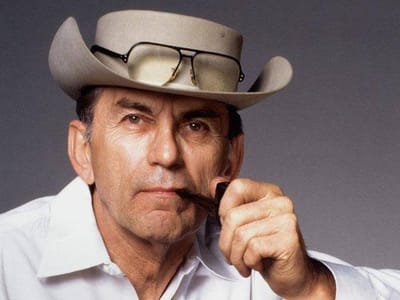
Smokey Yunick’s career was legendary, spanning groundbreaking work with Hudson, Ford, and General Motors. More than an innovator, Smokey was a force of nature—known for bold ideas and relentless pursuit of performance.
In less than a week, after getting Duncalf's question and drawing, Smokey had prepared viable answers to both questions, and his explanations became the foundation for the Radial Cam engine patents.
He also emphasized that moving away from the crank’s dynamic could greatly increase efficiency in spark‑ignition two‑stroke engines, while simplifying management of HCCI designs, as it lengthens the dwell time close to TDC.
His obsession with reclaiming waste heat and improving fuel economy directly shaped the Rad Cam engine. His recommendations on thermal management—favoring intelligent heat control over brute‑force cooling—were radically different from traditional thinking. Smokey's ideas continued to shape the development team's thinking until this very day.
More than his technical brilliance, it was Smokey’s fierce, unwavering belief in the project that inspired the team. As one colleague recalled: “When Smokey believed in you, you had no choice but to rise to it.” We kept in touch with Smokey as long as we could.